
44.9M
Indians living with anxiety disorders
Lancet, 2017
49%
of Indian youth showed high anxiety during COVID
Indian Research, 2020
Proven
vagal nerve activation via pranayama counters acute anxiety
Neurophysiology studies
Understanding anxiety & stress
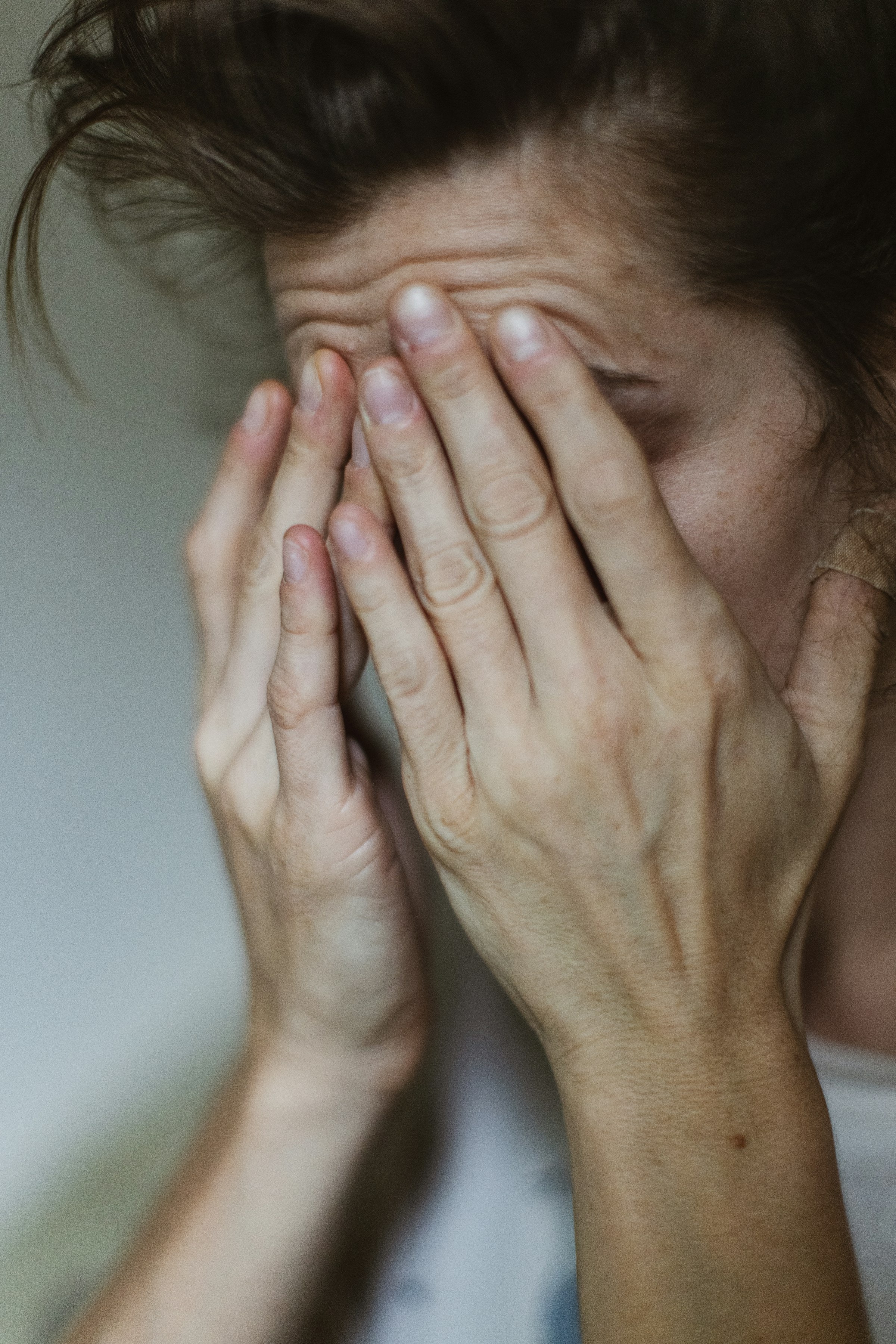
Anxiety affects 44.9 million Indians — and those numbers are rising steeply in the aftermath of the pandemic. It is among the most undertreated conditions in the country, with a 95% treatment gap for common mental disorders. Yet the very mechanisms that drive anxiety — a dysregulated nervous system locked in sympathetic overdrive — are exactly what pranayama and yoga nidra directly and measurably counteract.
Our anxiety service operates on two levels: immediate tools for the moment of acute anxiety, and practices that measurably reduce baseline anxiety over weeks and months. Research demonstrates that yoga activates the vagal nerve and shifts the autonomic nervous system from sympathetic (fight/flight) to parasympathetic (rest/digest) state — the physiological opposite of the anxiety response.
“A systematic review and meta-analysis finds that yoga nidra significantly reduces stress and anxiety, with a positive effect on overall well-being. Yoga and pranayama practices show consistent evidence for lower levels of stress, anxiety, and depression across populations.”
— Annals of the New York Academy of Sciences, Systematic Review (2026)
Our work complements your conventional medical care — it does not replace it. We always recommend continuing care with your physician.
Our approach
- 01Vagal nerve stimulation through specific pranayama techniques
- 02Grounding somatic practices for acute anxiety episodes
- 03Yoga nidra for deep nervous system reset and long-term regulation
- 04Reiki to address the energetic and emotional dimensions of anxiety



Recommended for anxiety & stress